Harvard Blog

Sample Page

Category: Uncategorized

  • How Education Can Improve Creativity Through Arts and Cultural Learning

    Discovering Creativity Through Education

    Education provides students with knowledge about the world, but it can also give them opportunities to express themselves in unique ways. vin88  Arts and cultural learning can play an important role in developing creativity, imagination, confidence, and communication. Subjects such as music, painting, literature, theater, photography, dance, and cultural studies allow students to explore ideas beyond traditional academic exercises.

    Creative education encourages learners to experiment and discover their individual strengths. It can also show students that there are many ways to understand and communicate an idea.

    The Role of Art in Student Development

    Art provides students with a flexible space for expression. Through drawing, painting, sculpture, design, and other creative activities, learners can communicate thoughts and emotions that may be difficult to express through ordinary conversation.

    Education can introduce students to different artistic techniques while allowing them to develop their own styles. This balance between instruction and freedom can encourage originality.

    Art can also teach patience because creating something meaningful often requires repeated practice and refinement.

    Music and Cognitive Development

    Music can become an important part of education because it combines creativity, concentration, rhythm, memory, and discipline. Learning an instrument or participating in musical activities requires students to practice consistently and pay attention to details.

    Group musical activities can also strengthen teamwork. Students need to listen to one another and coordinate their contributions to create a successful performance.

    These experiences can support both creative development and broader learning habits.

    Learning Through Literature

    Literature allows students to explore different characters, cultures, experiences, and perspectives. Stories can encourage imagination while helping learners understand complex emotions and human relationships.

    Reading fiction can also inspire students to create their own stories, poems, or other forms of writing. Creative writing gives learners an opportunity to experiment with language and develop their individual voices.

    Education can make literature more engaging when students are encouraged to discuss and interpret stories rather than simply memorize information about them.

    Theater and Self-Expression

    Theater can help students develop confidence and communication skills. Acting requires learners to understand characters, remember dialogue, express emotions, and interact with other performers.

    Participating in theater can also help students become more comfortable speaking in front of audiences. Even students who do not want to pursue performance careers can benefit from these communication experiences.

    Theater demonstrates that education can develop personal confidence alongside academic knowledge.

    Exploring Cultural Diversity

    Cultural education introduces students to traditions, languages, celebrations, artistic forms, histories, and social practices from different communities.

    Learning about cultural diversity can encourage respect and curiosity. Students may discover that artistic expression can take many forms depending on historical and cultural circumstances.

    This knowledge can help learners become more open-minded and better prepared to communicate with people from different backgrounds.

    Encouraging Creative Problem Solving

    Arts education can strengthen problem-solving because creative projects often require students to make decisions. They may need to select materials, develop a concept, overcome technical difficulties, and revise their work.

    There may not be a single correct solution. Students must experiment and decide what works best for their objectives.

    This flexible approach can strengthen creativity in other areas of education as well.

    Building Confidence Through Creative Achievement

    Completing a creative project can provide students with a sense of accomplishment. Whether they perform a song, create artwork, write a story, or participate in a cultural presentation, learners can see the results of their effort.

    Positive feedback can encourage them to continue developing their abilities. Over time, repeated creative experiences can help students become more confident in sharing their ideas.

    Technology and Creative Education

    Digital tools have expanded opportunities for artistic and cultural learning. Students can create digital illustrations, edit videos, produce music, design presentations, and explore virtual exhibitions.

    Technology can make creative education more accessible by giving learners tools that were previously difficult to obtain. However, the focus should remain on creativity and communication rather than technology alone.

    Digital tools are most useful when they help students transform ideas into meaningful work.

    Connecting Arts With Other Subjects

    Arts education does not need to exist separately from other academic subjects. Creative activities can be integrated with science, history, mathematics, technology, and language learning.

    Students might create visual representations of scientific concepts, write historical stories, design mathematical patterns, or produce digital projects about environmental issues.

    These connections demonstrate that creativity can strengthen understanding across the wider education system.

    Encouraging Individuality

    Every student has different interests and abilities. Creative education gives learners opportunities to discover what makes their approach unique.

    Teachers can provide clear objectives while allowing students freedom in how they complete a project. This approach encourages independence and helps students understand that originality can be valuable.

    When learners are allowed to make creative choices, they can develop stronger ownership of their education.

    Preparing Creative Thinkers for the Future

    Modern professional environments often require people who can adapt, communicate, design, collaborate, and develop new ideas. Arts and cultural education can help students build these qualities.

    Creative thinkers may approach challenges from different perspectives and identify possibilities that others overlook. These abilities can be valuable in fields ranging from technology and business to education, communication, design, and science.

    Making Education More Human

    Education should prepare students academically, but it should also help them understand themselves and the world around them. Arts and cultural learning can provide space for imagination, expression, empathy, and personal discovery.

    By including creative experiences in education, schools can help students develop skills that complement traditional academic learning. Art, music, literature, theater, and cultural exploration can encourage learners to become more curious, confident, and open-minded.

    Ultimately, creativity is not simply an additional feature of education. đăng ký vin88  It can be an important part of developing well-rounded individuals who are capable of expressing ideas, appreciating different perspectives, solving problems, and imagining new possibilities. Education becomes richer when students are given opportunities not only to learn existing knowledge but also to create something of their own.

  • How Education Helps Students Develop Strong Critical Thinking Skills

    Building Minds That Question and Explore

    Education is not simply about collecting facts and remembering information. One of its most valuable purposes is helping students understand how to think. red88  Critical thinking allows learners to examine information, ask meaningful questions, compare different ideas, and reach thoughtful conclusions. In a world filled with rapidly changing information, these abilities have become increasingly important.

    A strong education gives students opportunities to move beyond memorization and become active thinkers. When learners are encouraged to investigate ideas instead of accepting everything immediately, they can develop greater independence and confidence in their decisions.

    Understanding the Meaning of Critical Thinking

    Critical thinking involves examining information carefully before reaching a conclusion. Students use it when they compare sources, analyze arguments, identify assumptions, interpret evidence, and consider alternative explanations.

    This skill can be developed across almost every area of education. A science student evaluates evidence from an experiment, while a history student compares different accounts of an event. A mathematics student analyzes a problem before choosing a solution. Each situation encourages learners to think carefully rather than simply repeat information.

    Asking Better Questions

    Questions are at the heart of effective education. Students who ask thoughtful questions demonstrate curiosity and a willingness to understand subjects more deeply.

    Teachers can encourage this habit by creating classroom environments where questions are welcomed. Instead of focusing only on whether an answer is correct, educators can ask students why they reached a particular conclusion and what evidence supports their thinking.

    Over time, learners can become more comfortable investigating difficult subjects and exploring ideas from different angles.

    Evaluating Information Carefully

    The internet has made information easier to access than ever before. However, easy access does not guarantee accuracy. Students may encounter incomplete explanations, outdated information, misleading claims, or content created without reliable evidence.

    Education can teach learners how to evaluate sources. They can examine who created the information, consider whether evidence is provided, compare multiple reliable sources, and distinguish facts from opinions.

    These skills are useful in academic research and everyday life. They can help people make more informed decisions when reading news, researching products, or considering important claims.

    Learning Through Discussion

    Classroom discussions can provide excellent opportunities for critical thinking. Students can present their ideas, listen to different opinions, and reconsider their own assumptions.

    A productive discussion does not require everyone to agree. Instead, students can learn that disagreement can be respectful and educational. Listening to alternative perspectives may reveal information they had not previously considered.

    Teachers can guide these conversations by asking follow-up questions and encouraging students to support their statements with clear reasoning.

    Using Evidence to Reach Conclusions

    Critical thinking requires more than having an opinion. Students need to understand how evidence can support or challenge a conclusion.

    Education can introduce learners to the process of gathering relevant information and evaluating its quality. Through research assignments and practical activities, students can learn why strong conclusions depend on reliable evidence.

    This approach encourages students to distinguish between assumptions and well-supported ideas.

    Learning From Mistakes

    Mistakes can become valuable educational opportunities when students are encouraged to examine what went wrong. Instead of treating an incorrect answer as the end of the learning process, teachers can ask learners to identify the reasoning that produced it.

    This reflective approach helps students recognize weaknesses in their thinking and consider better methods. It also encourages persistence because learners understand that improvement can come from analyzing mistakes.

    Encouraging Independent Problem-Solving

    Critical thinking becomes stronger when students are given opportunities to solve problems independently. Rather than receiving complete instructions for every situation, learners can sometimes be presented with challenges that require them to determine their own approach.

    Projects, experiments, case studies, and practical assignments can provide these opportunities. Students must identify the problem, consider possible solutions, select an approach, and evaluate the outcome.

    The Role of Teachers in Critical Thinking

    Teachers play an important role in developing thoughtful learners. Instead of providing immediate answers, educators can sometimes respond with questions that encourage students to investigate further.

    Teachers can ask why a particular solution was selected, whether another explanation is possible, or what evidence supports a conclusion. These questions encourage students to explain their reasoning and become more aware of their thinking processes.

    Connecting Critical Thinking With Future Careers

    Critical thinking is valuable across many professional fields. Employers need people who can analyze situations, solve problems, adapt to change, and make responsible decisions.

    Students who develop these abilities through education can carry them into future workplaces. Whether they pursue business, technology, science, education, communication, or another field, the ability to evaluate information and make thoughtful decisions can provide a lasting advantage.

    Preparing Responsible Decision-Makers

    Critical thinking also contributes to responsible citizenship. People regularly encounter choices involving finances, technology, media, health information, careers, and community issues.

    Education can help students approach these decisions thoughtfully instead of reacting immediately to emotional claims or incomplete information. Learning to pause, investigate, compare evidence, and consider consequences can lead to more responsible choices.

    Creating Lifelong Thinkers

    The greatest benefit of critical thinking is that it continues to be useful after formal education ends. People face new questions and challenges throughout their lives, and the ability to analyze information can help them respond effectively.

    Education that encourages curiosity, evidence-based reasoning, respectful discussion, and independent problem-solving prepares students for a world where information is constantly changing.

    Ultimately, successful education should not only teach students what to think about but also help them understand how to think carefully. thể thao red88  By developing critical thinking skills, learners can become more independent, adaptable, and confident. They can approach challenges with curiosity, examine information with care, and make decisions based on thoughtful reasoning. These qualities can support academic achievement today while creating stronger foundations for personal, professional, and lifelong success.

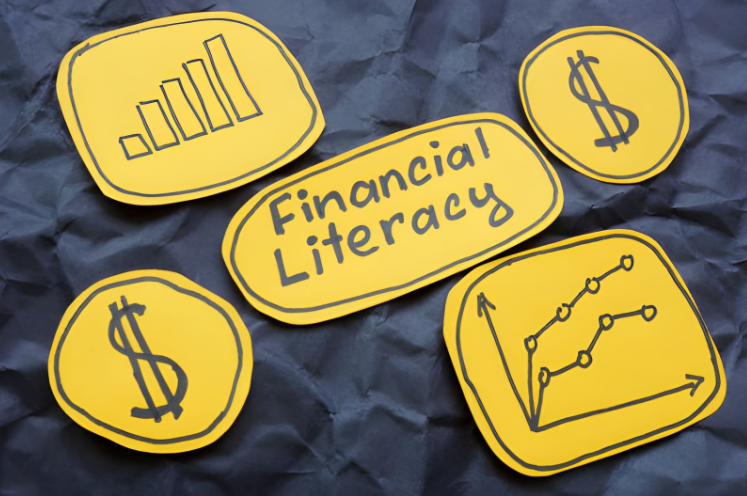
  • Why Financial Literacy Should Be Taught in Schools

    Why Financial Literacy Should Be Taught in Schools

    Financial literacy is one of the most important life skills a young person can develop, yet it is still missing from many school curriculums. Students graduate knowing how to solve equations, analyze literature, and memorize historical dates, but many leave school without understanding how to budget, save, manage debt, or invest for the future. In a world where money decisions affect nearly every part of adult life, financial literacy should be taught in schools as a core subject.

    Teaching financial education early can help students make smarter choices, avoid common financial mistakes, and build a stronger foundation for long-term success. From understanding credit cards to planning for retirement, financial literacy gives students practical knowledge they will use throughout their lives.

    What Is Financial Literacy?

    Financial literacy is the ability to understand and manage Ga6789 money effectively. It includes basic skills such as budgeting, saving, investing, borrowing, and understanding taxes. A financially literate person knows how to make informed decisions about spending, credit, insurance, loans, and long-term financial planning.

    For students, financial literacy is not just about learning definitions. It is about developing real-world skills. These skills help young people understand how money works and how their financial decisions today can affect their future.

    Students Need Real-Life Money Skills

    One of the strongest reasons financial literacy should be taught in schools is that students need practical money skills. Many teenagers get part-time jobs, receive allowances, or start managing their own spending before they become adults. However, without guidance, they may not know how to save money, compare prices, or avoid unnecessary debt.

    Schools are designed to prepare students for life beyond the classroom. Since money management is a major part of adulthood, financial education belongs in the school system. Lessons on creating a budget, setting financial goals, and understanding needs versus wants can help students develop responsible habits early.

    Financial Literacy Helps Prevent Debt Problems

    Debt is a major challenge for many adults. Credit cards, student loans, car loans, and personal loans can quickly become overwhelming when people do not understand interest rates, repayment terms, or the long-term cost of borrowing. Teaching financial literacy in schools can help students understand the risks of debt before they face them.

    For example, students should learn how credit card interest works, why minimum payments can be costly, and how missed payments can damage a credit score. When young people understand debt, they are more likely to borrow responsibly and avoid financial traps.

    Understanding Credit Is Essential

    Credit plays an important role in modern life. A good credit score can help someone rent an apartment, buy a car, qualify for a mortgage, or even get certain jobs. Yet many young adults do not fully understand what credit is until they have already made mistakes.

    Financial literacy classes can teach students how credit scores are calculated, why paying bills on time matters, and how to build credit safely. By learning these concepts in school, students can enter adulthood with the knowledge needed to protect their financial future.

    Budgeting Builds Better Habits

    Budgeting is one of the most basic and powerful financial skills. A budget helps people track income, control spending, and plan for future expenses. Without a budget, it is easy to overspend and struggle to save.

    Students can benefit greatly from learning how to create simple budgets. A classroom lesson might include planning monthly expenses based on a sample income, comparing costs, and identifying areas where money can be saved. These activities make financial literacy practical and easy to understand.

    When students learn budgeting early, they are more likely to develop positive habits that continue into adulthood.

    Saving and Investing Should Start Early

    Another important reason financial literacy should be taught in schools is that young people need to understand the value of saving and investing. Many adults wish they had started saving earlier. Schools can help students see why time is one of the most powerful tools for building wealth.

    Financial education can introduce students to emergency funds, savings accounts, compound interest, retirement accounts, and basic investing principles. Even if students do not have much money to save, learning these concepts early can change how they think about the future.

    Understanding compound interest, for example, can show students how small amounts of money can grow over time. This knowledge can encourage them to start saving sooner rather than later.

    Financial Education Reduces Inequality

    Financial literacy can also help reduce economic inequality. Not every student grows up in a household where money is openly discussed or well understood. Some families may not have access to financial advisors, investment knowledge, or banking resources. As a result, students from different backgrounds may enter adulthood with very different levels of financial knowledge.

    Teaching financial literacy in schools gives all students access to the same essential information. It can empower young people from every income level to make informed decisions, avoid predatory lending, and pursue financial stability.

    Schools Can Make Learning About Money Engaging

    Some people may think financial literacy is too complicated or boring for students, but it can be taught in engaging and age-appropriate ways. Younger students can learn about saving, spending, and making choices. Older students can explore topics such as Đăng ký Ga6789 taxes, loans, investing, and career income.

    Teachers can use real-life examples, games, simulations, and projects to make financial education meaningful. Students might create a mock budget, compare loan options, or calculate the cost of living in different cities. These activities connect classroom learning with real-world decisions.

    Financial Literacy Prepares Students for Adulthood

    The transition from school to adulthood can be overwhelming. Young adults often face major financial decisions soon after graduation, such as choosing a college, taking out student loans, renting an apartment, buying a car, or managing a paycheck. Without financial knowledge, these decisions can lead to stress and long-term consequences.

    Financial literacy gives students confidence. It helps them ask better questions, compare options, and understand the impact of their choices. This preparation can lead to greater independence and financial security.

    Conclusion: Financial Literacy Belongs in Schools

    Financial literacy should be taught in schools because it prepares students for real life. Money management is not an optional skill; it is something every person needs. By learning about budgeting, saving, credit, debt, taxes, and investing, students can make smarter financial decisions and avoid common mistakes.

    Adding financial education to school curriculums is an investment in the future. It helps young people become responsible adults, reduces financial stress, and supports long-term economic well-being. If schools truly aim to prepare students for success, financial literacy must be part of every student’s education.

  • Time Management Strategies That Work

    Time Management Strategies That Work

    Time is one of the most valuable resources we have, yet it often feels like there is never enough of it. Between work responsibilities, personal commitments, family needs, and unexpected interruptions, staying productive can be challenging. The good news is that effective time management X88  is a skill anyone can learn. By using practical strategies, you can reduce stress, improve focus, and accomplish more without feeling constantly overwhelmed.

    In this article, we will explore time management strategies that work in real life and help you make the most of every day.

    Why Time Management Matters

    Good time management is not just about getting more tasks done. It is about using your time intentionally so you can focus on what truly matters. When you manage your time well, you gain greater control over your schedule and reduce the pressure of last-minute deadlines.

    Effective time management can improve productivity, support better decision-making, and create a healthier work-life balance. It also helps you avoid burnout by making space for rest, hobbies, and personal relationships. Instead of feeling busy all the time, you can become more purposeful and efficient.

    Set Clear Goals

    One of the most important time management strategies is setting clear goals. Without specific goals, it is easy to spend time on tasks that do not move you forward. Clear goals give your day direction and help you decide what deserves your attention.

    Start by identifying your long-term goals, then break them into smaller weekly or daily objectives. For example, instead of saying, “I want to be more productive,” set a specific goal like, “I will complete three important reports by Friday.” Clear goals are easier to track and more motivating to achieve.

    Using the SMART goal method can also help. Make sure your goals are Specific, Measurable, Achievable, Relevant, and Time-bound.

    Prioritize Your Tasks

    Not all tasks are equally important. Some activities bring major results, while others simply keep you busy. Learning how to prioritize is essential for effective time management.

    A helpful method is the Eisenhower Matrix, which divides tasks into four categories:

    – Urgent and important

    – Important but not urgent

    – Urgent but not important

    – Not urgent and not important

    Focus first on tasks that are both urgent and important. Then schedule time for important but non-urgent work, such as planning, learning, or relationship-building. These tasks often create long-term success but are easy to ignore if you are always reacting to urgent demands.

    Use a Daily Plan

    A daily plan helps you start each day with purpose. Instead of jumping from one task to another, you know exactly what needs to be done. Planning your day can take as little as 10 minutes, but it can save hours of wasted time.

    At the beginning or end of each day, write down your top priorities. Choose three main tasks that must be completed. This keeps your schedule realistic and prevents you from overloading yourself.

    You can use a paper planner, digital calendar, task management app, or simple to-do list. The best tool is the one you will actually use consistently.

    Try Time Blocking

    Time blocking is one of the most effective time management techniques. It involves scheduling specific blocks of time for different tasks or activities. For example, you might block 9:00 a.m. to 10:30 a.m. for deep work, 10:30 a.m. to 11:00 a.m. for emails, and 2:00 p.m. to 3:00 p.m. for meetings.

    This strategy helps protect your focus and reduces the temptation to multitask. It also gives structure to your day, making it easier to manage deadlines and responsibilities.

    When using time blocking, remember to include breaks. Working nonstop can reduce productivity and lead to fatigue. Short breaks help refresh your mind and improve concentration.

    Avoid Multitasking

    Many people believe multitasking helps them get more done, but it often has the opposite effect. Switching between tasks takes mental energy and can reduce the quality of your work. You may feel busy, but you are usually less efficient.

    Instead, practice single-tasking. Focus on one task at a time until it is complete or until your scheduled time block ends. Turn off unnecessary notifications, close extra browser tabs, and create a workspace that supports concentration.

    By giving your full attention to one task, you can work faster and produce better results.

    Learn to Say No

    One of the most overlooked time management strategies is learning to say no. If you say yes to every request, your schedule can quickly become filled with tasks that do not align with your priorities.

    Saying no does not mean being rude or unhelpful. It means respecting your time and energy. You can politely decline by saying, “I’m not available for that right now,” or “I can’t take this on without affecting my current priorities.”

    Setting boundaries allows you to focus on your most important responsibilities and avoid unnecessary stress.

    Use the Two-Minute Rule

    The rule is a simple but powerful productivity technique. If a task takes less than two minutes to complete, do it immediately. This may include replying to a short email, filing a document, or confirming an appointment.

    Small tasks can pile up quickly and create mental clutter. Completing them right away prevents your to-do list from becoming overwhelming. However, be careful not to let minor tasks distract you from deep work. Use this rule wisely during transition times or administrative periods.

    Review and Improve Your Schedule

    Time management is not about creating a perfect schedule once and following it forever. Your responsibilities and priorities will change, so your approach should change too.

    At the end of each week, review how you spent your time. Ask yourself what worked well, what caused delays, and what you can improve. This reflection helps you identify patterns and make better decisions in the future.

    Continuous improvement is key. Even small adjustments can lead to better productivity and less stress over time.

    Final Thoughts

    Time management strategies that work are simple, practical, and consistent. By setting clear goals, prioritizing tasks, planning your day, using time blocking, and reducing distractions, you can take control of your schedule and improve your productivity.

    The Đăng Ký X88  goal is not to fill every minute with work. The goal is to use your time wisely so you can achieve meaningful results while still enjoying your life. Start with one or two strategies today, practice them consistently, and build from there. Over time, better time management can help you feel more focused, confident, and in control.

  • How Educational Games Support Learning and Creativity

    How Educational Games Support Learning and Creativity

    Knowledge has always been a driving force behind human progress. It shapes the way people think, make decisions, solve problems, and create opportunities. A better future does not happen by chance; it is built through understanding, education, and the continuous pursuit of learning. When individuals and communities value knowledge, they gain the ability to overcome challenges and create meaningful improvements in the world.

    Knowledge as the Foundation of Progress

    Every major advancement in human history has been connected to knowledge. From scientific discoveries to technological innovations, learning has helped people transform ideas into reality. Knowledge allows individuals to understand problems more deeply and develop solutions that improve everyday life.

    A society that invests in knowledge creates an environment where creativity and innovation can grow. When people have access to education and information, they are more capable of developing new ideas and contributing to positive change. Knowledge provides the foundation needed for progress in areas such as healthcare, technology, business, and social development.

    Empowering Individuals Through Learning

    Knowledge gives individuals the confidence and skills needed to achieve their goals. Learning helps people discover their abilities, develop talents, and make better decisions. Whether through formal education, personal experiences, or self-learning, every new piece of knowledge contributes to personal growth.

    An informed person is better prepared to face challenges and adapt to changes. In a world that constantly evolves, the ability to learn and understand new concepts has become one of the most valuable skills. Knowledge allows people to explore opportunities and build a stronger future for themselves and their families.

    Creating Opportunities Through Education

    Education is one of the most powerful ways knowledge reaches people. It provides individuals with essential skills, improves career opportunities, and helps them become active members of society. Quality education opens doors and allows people to participate in economic and social development.

    Beyond professional success, education teaches important values such as responsibility, teamwork, and critical thinking. These qualities help individuals become better decision-makers and contribute positively to their communities. A future built on education is more likely to be balanced, innovative, and successful.

    Knowledge Encourages Innovation and Creativity

    The world continues to change because people use knowledge to create new solutions. Inventors, researchers, and entrepreneurs rely on learning and experience to develop ideas that solve problems and improve lives. Knowledge encourages curiosity, which leads to exploration and discovery.

    Creativity grows when people have a strong understanding of different subjects and perspectives. By combining knowledge with imagination, individuals can develop unique solutions to challenges. This connection between learning and creativity is essential for building a future filled with new possibilities.

    Building Stronger Communities

    Knowledge does not only benefit individuals; it strengthens communities as well. When people are educated and informed, they can work together to address common issues and create positive environments. Knowledge encourages cooperation, understanding, and respect among different groups.

    Communities that focus on learning often experience greater growth and development. Shared knowledge allows people to exchange ideas, support each other, and create solutions that benefit everyone. A knowledgeable society is better equipped to handle challenges and prepare for future needs.

    The Role of Technology in Spreading Knowledge

    Technology has made knowledge more accessible than ever before. Digital platforms, online courses, and educational resources allow people from different backgrounds to learn new skills and gain information. This has created new opportunities for personal and professional development.

    However, using technology wisely is important. Not all information available online is reliable, so developing critical thinking skills is necessary. When people learn how to find, understand, and use accurate information, technology becomes a powerful tool for creating a better future.

    Preparing Future Generations

    The future depends on how well we educate and inspire the next generation. Young people need opportunities to explore, ask questions, and develop their abilities. Encouraging a love for learning helps them become confident thinkers and problem-solvers.

    Knowledge gives future generations the tools they need to face challenges such as environmental issues, technological changes, and social development. By supporting education and lifelong learning, we can prepare individuals to create solutions that benefit the entire world.

    Conclusion

    Knowledge is one of the greatest resources for building a better future. It empowers individuals, strengthens communities, and drives innovation. Through learning and education, people gain the ability to understand challenges, create opportunities, and make positive contributions to society.

    A future shaped by knowledge is a future filled with growth, creativity, and progress. By continuing to learn, share information, and encourage curiosity, we can create a world where everyone has the opportunity to succeed and make a difference. Knowledge is not just a tool for personal improvement; it is the foundation for a brighter tomorrow.

  • Hello world!

    Welcome to WordPress. This is your first post. Edit or delete it, then start writing!