How Employees Adapt to Modern Challenges
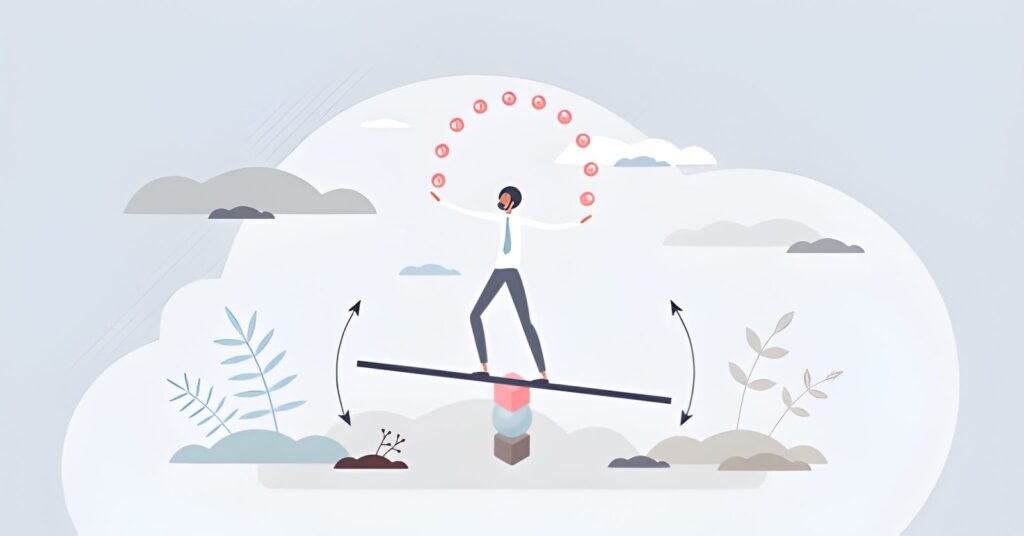
The modern workplace is constantly evolving. Advances in technology, changing business strategies, remote work, and shifting customer expectations have created both opportunities and challenges for employees across every industry. To succeed in this environment, professionals must be willing to adapt, learn, and grow. Adaptability is no longer just a desirable quality—it has become an essential skill for long-term career success. Employees who embrace change, develop new abilities, and maintain a positive attitude are better prepared to overcome obstacles and contribute to their organizations. Understanding how employees adapt to modern challenges helps individuals build resilience and thrive in today’s dynamic workplace.
Embracing Change With Confidence
One of the first steps in adapting to modern challenges is accepting that change is a natural part of professional life. New technologies, workplace policies, and business goals continue to reshape the way organizations operate.
Instead of resisting these changes, successful employees view them as opportunities to improve their skills and gain valuable experience. A positive attitude toward change reduces stress and encourages personal growth.
Confidence grows when people focus on learning rather than fearing the unknown.
Developing New Skills
As industries evolve, employees must continuously improve their knowledge and abilities. Learning new technical skills, communication techniques, and problem-solving methods helps professionals remain competitive.
Online courses, workshops, certifications, and practical experience provide valuable opportunities for growth. Every new skill strengthens an employee’s ability to handle workplace changes effectively.
Continuous learning has become one of the most important habits for career success.
Adapting to Digital Technology
Technology has transformed the way employees complete daily tasks. Cloud computing, video conferencing, artificial intelligence, and digital collaboration tools have become common in many workplaces.
Employees who learn to use these technologies improve their productivity and efficiency. Becoming comfortable with digital tools also creates new career opportunities.
Technology should be viewed as a tool that supports better performance rather than a challenge to avoid.
Strengthening Communication Skills
Clear communication is essential in today’s workplace, especially when teams work remotely or across different locations. Employees must express ideas effectively, listen carefully, and collaborate with colleagues.
Strong communication reduces misunderstandings, improves teamwork, and helps projects run smoothly. It also builds stronger relationships between employees, managers, and clients.
Effective communication remains one of the most valuable professional skills.
Managing Workplace Stress
Modern work environments can sometimes be demanding due to deadlines, changing priorities, and increased responsibilities. Learning to manage stress helps employees maintain both productivity and well-being.
Time management, healthy routines, regular breaks, and maintaining a positive mindset all contribute to better stress management.
Employees who care for their mental and physical health are better equipped to handle workplace challenges.
Building Problem-Solving Skills
Every organization encounters obstacles that require creative solutions. Employees who develop strong problem-solving skills become valuable contributors to their teams.
Analyzing situations carefully, thinking critically, and exploring different approaches help professionals find effective solutions. Rather than focusing on problems, adaptable employees concentrate on finding practical answers.
Problem-solving strengthens confidence and supports career growth.
Working Effectively in Teams
Collaboration has become increasingly important in modern workplaces. Employees often work with colleagues from different departments, cultures, and even countries.
Successful teamwork requires respect, flexibility, and the willingness to share ideas. Working together allows teams to combine different strengths and develop better solutions.
Strong collaboration benefits both employees and organizations.
Remaining Flexible During Change
Flexibility allows employees to respond positively when workplace situations change unexpectedly. Whether adapting to new responsibilities, different schedules, or updated technologies, flexible professionals adjust more easily.
Being open to change creates opportunities for learning and career development. Employers value individuals who remain productive even during periods of uncertainty.
Flexibility helps build long-term professional resilience.
Developing a Growth Mindset
A growth mindset encourages employees to view challenges as opportunities to improve rather than obstacles to avoid. People with this mindset believe that skills can be developed through effort, practice, and learning.
This attitude encourages persistence, curiosity, and continuous improvement. Employees who embrace lifelong learning are better prepared for future workplace changes.
A growth mindset supports both personal satisfaction and professional achievement.
Preparing for the Future Workplace
The workplace will continue to evolve as technology advances and industries transform. Employees who remain adaptable, continue learning, and strengthen their professional skills will be better prepared for future opportunities.
Preparation involves staying informed about industry trends, embracing innovation, and maintaining a willingness to grow throughout a career.
The future belongs to professionals who are ready to learn and adapt.
Conclusion
Modern workplace challenges require employees to be adaptable, resilient, and committed to continuous learning. By embracing change, developing new skills, improving communication, managing stress, and working effectively with others, professionals can succeed in an ever-changing environment. Technology and innovation will continue to shape the future of work, making flexibility and lifelong learning more important than ever. Employees who maintain a positive attitude and invest in their personal and professional development will not only overcome challenges but also create new opportunities for growth, success, and long-term career satisfaction.